
BREW · COLD BREW · 8 MIN READ
Cold Brew: The Slow, Sweet Coffee That's Older Than You Think
All the patience of a slow cook, none of the heat.
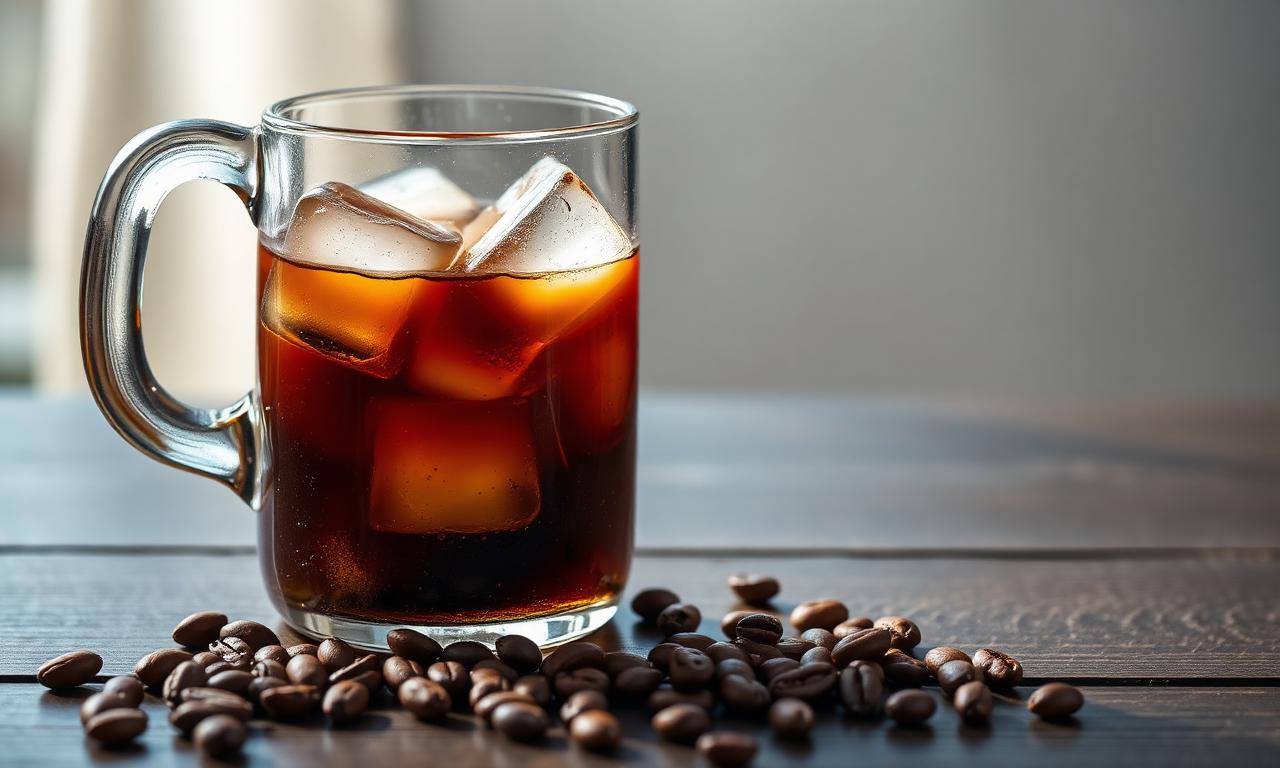
Cold brew is often presented as a millennial invention, the way avocado toast and oat milk are. It isn't. People have been steeping coffee in cold water for at least four hundred years — and the technique that produced the smooth, chocolatey concentrate you buy at the café traces, at least in part, to 17th-century Kyoto, where Dutch traders picked up a method of dripping cold water through ground coffee and brought it back to Europe.[1] Japanese cafés today still serve it under the name Kyoto-style slow drip, often using glass towers that take eight hours per pot.
Cold brew vs iced coffee — they're not the same thing
This trips a lot of people up:
- Iced coffee = coffee brewed hot, then chilled or poured over ice. Bright, acidic, can taste thin when diluted.
- Cold brew = coffee brewed slowly at cold or room temperature for 12–24 hours. Sweet, low-acid, thicker body, very different flavor profile.
- Japanese "flash brew" iced coffee = brewed hot, but directly onto ice, so it chills instantly. Locks in aromatics. Some specialty drinkers prefer this to cold brew.
The chemistry of brewing slow and cold
Hot water is an aggressive solvent. It pulls everything out of a coffee bean — sugars, acids, oils, bitter compounds, and the chlorogenic acids that give coffee much of its perceived sourness. Cold water is much pickier. It extracts the sweet, soluble compounds and skips most of the heavier acids and bitter phenolics. The math: cold brew coffee typically measures two-thirds less titratable acidity than the same coffee brewed hot.[2]
This is also why cold brew tastes "smoother" — it's not just colder. It's chemically a different drink, with a different balance of compounds. Caffeine, interestingly, extracts well at any temperature; cold brew concentrates tend to have more caffeine per serving than hot coffee because they're usually consumed undiluted or barely diluted.
The simplest possible recipe (immersion)
You don't need a special device. A clean 1-liter jar with a lid works perfectly.
- Coffee: 100 g, ground coarse (think breadcrumbs).
- Water: 800 g, cold or room-temperature filtered.
- Ratio: 1:8 — strong, intended as a concentrate.
- Combine grounds and water in the jar. Stir gently to wet all the coffee.
- Cover. Leave on the counter for 14–18 hours, or in the fridge for 18–24 hours.
- Strain through a fine mesh sieve, then through a paper filter (or a clean tea towel) for clarity.
- Bottle the concentrate. It keeps in the fridge for up to two weeks.
- To serve: dilute 1:1 with cold water or milk over ice. Adjust to taste.
What kind of coffee works best?
Counterintuitively, naturally processed or pulped-natural coffees shine in cold brew because their fruity, fermented notes survive the long cool extraction. Washed Latin American coffees with chocolate-and-nut profiles also work beautifully. Avoid very light, delicate, jasmine-forward coffees — cold brew dulls their best feature.
Roast level matters less than you'd think. Medium and medium-dark both work. Dark roasts can taste muddy and ashy after long extraction.
A note on safety
Coffee is mildly acidic and inhibits most spoilage organisms, but cold brew sitting at room temperature for more than 24 hours isn't risk-free. Stick to 18 hours and refrigerate after. Cold brew concentrate keeps a clean, bright flavor for about a week and is drinkable for two; after that, oxidation starts to flatten it.
A unique fact to take with you
Cold brew became a global commercial category almost by accident. Stumptown Coffee Roasters in Portland started bottling small batches in 2011, mostly as a novelty for wholesale accounts. By 2017, the cold brew segment in the US alone had grown into a category worth more than USD 38 billion in retail sales across all coffee-shop and bottled formats — driven almost entirely by people who'd never heard of Kyoto slow-drip.[3]
References
- "Kyoto-Style Coffee: The 400-Year History of Slow Drip." Perfect Daily Grind, 2019. perfectdailygrind.com
- Rao, N. Z., & Fuller, M. "Acidity and Antioxidant Activity of Cold Brew Coffee." Scientific Reports, 2018; 8: 16030. nature.com
- "Cold Brew Coffee Market — Global Industry Analysis." Allied Market Research, 2021. alliedmarketresearch.com
- Hoffmann, James. The World Atlas of Coffee, 2nd ed. Mitchell Beazley, 2018, p. 122–124.
- Specialty Coffee Association. "Best Practices: Cold Brew Coffee." sca.coffee